
SEO for construction companies isn’t just about ranking higher it’s about connecting with the 1.7 million monthly searches for contractors conducted by real people looking for your services, a focus centered on the philosophy of SEO for Humans First. Indeed, when 96% of people find local businesses online, the way you approach your digital presence matters more than ever.
As construction spending consistently exceeds $1.8 trillion annually, we need to recognize that behind every search is a potential client with specific needs. Local SEO for construction companies must focus first on building trust, then on algorithms. Consequently, the most effective SEO for construction companies services prioritize human connections over technical tricks.
In this guide, we’ll explore how to optimize your construction website for people first, while still satisfying search engines. From creating trustworthy content to improving user experience, we’ll show you how to build a digital foundation as solid as the structures you create.

Why SEO Needs a Human-First Approach
Gone are the days when cramming keywords into your construction website would boost your rankings. In today’s digital landscape, search engines have fundamentally changed how they evaluate and rank content.
The shift from keyword stuffing to user intent
Search engines have evolved beyond simply matching keywords to understanding what searchers actually need. According to research, user intent is now a critical ranking factor, as search engines interpret meaning and context rather than just scanning for repeated phrases. For construction companies, this means creating content that addresses specific problems potential clients face like finding reliable contractors for specific projects or understanding local building regulations rather than just targeting high-volume keywords.
How search engines now reward helpful content
Google’s algorithms now prioritize what they call “people-first content” material created primarily to benefit humans, not to manipulate search rankings. In fact, Google’s helpful content system uses AI to identify and reward sites with consistently valuable information while demoting those that don’t truly serve searchers. For your construction business, this translates to developing resources that showcase your expertise and genuinely help potential clients understand your services.
Why trust matters more than ever in SEO
Trust has become the cornerstone of effective SEO strategy. Google explicitly states that trustworthiness is the most critical component of their E-E-A-T framework (Experience, Expertise, Authoritativeness, and Trustworthiness). Additionally, when users perceive your construction company as trustworthy, this leads to better click-through rates, lower bounce rates, and more quality backlinks.
Building trust through SEO creates a compound effect: better rankings drive more engagement, and increased engagement sends positive trust signals back to search engines, further improving rankings. For construction companies, where clients make significant investments, establishing trust is particularly crucial.
Essentially, optimizing for local SEO for construction companies now means focusing on creating helpful resources that address client needs, demonstrate your expertise, and build credibility in your industry. The most effective SEO for construction companies services understand this paradigm shift and build strategies around earning trust first, with technical optimization supporting not replacing this fundamental goal.

Core Elements of Human-Centered SEO
Building a human-centered SEO strategy for construction companies requires focusing on elements that truly serve your potential clients’ needs, not just technical optimization for search engines. These core components establish trust first and foremost, creating a foundation for sustainable visibility.
Clear and honest content over clickbait
Clickbait titles might generate initial clicks, but they create high bounce rates and diminished trust when your content fails to deliver on exaggerated promises. Instead, honest headlines that set clear expectations reduce bounce rates, increase time on page, and reinforce your construction company’s brand promise.
The rise of AI in search evaluation is fundamentally changing content assessment. Modern algorithms can determine if your construction website genuinely delivers on headline promises through semantic analysis. Titles should spark curiosity while still accurately reflecting what’s inside misleading titles might get clicks, but when readers leave immediately, your bounce rate spikes and search engines notice.
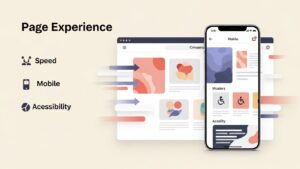
Page experience: speed, mobile, and accessibility
Google’s core ranking systems now reward content with good page experience, considering multiple aspects beyond just informational value. For construction websites, this means optimizing Core Web Vitals, ensuring mobile-friendliness, and maintaining HTTPS security.
Page load speed specifically impacts both rankings and user behavior a delay of just one second can reduce conversions by up to 7%. Moreover, with 53% of mobile users abandoning sites that take too long to load, construction companies must prioritize mobile optimization.
Accessibility also plays a crucial role in human-centered SEO. Accessible websites following WCAG standards tend to perform better in search while making content easier for people with disabilities to navigate and understand.
Using schema to help users, not just bots
Schema markup (structured data) helps search engines understand what your content means, not just what it says. For construction companies, this creates opportunities for enhanced search visibility through rich snippets that display additional information directly in search results.
Properly implemented schema markup offers several benefits:
- Higher click-through rates (Rotten Tomatoes saw 25% higher CTR for pages with schema)
- Increased user engagement (Rakuten found users spent 1.5x more time on pages with structured data)
- Better interpretation of your content’s meaning and context
By making your construction website’s content machine-readable, schema markup helps large language models understand what your pages are about, how they connect to related topics, and which parts best answer user queries.
Building Trust Through Content
Trust forms the foundation of any successful construction company’s online presence. Given that 91% of consumers aged 18-34 trust online reviews as much as personal recommendations, content strategy must focus on building credibility at every touchpoint.
Showcasing real testimonials and reviews
Strategic placement of authentic client feedback creates immediate trust. Adding just three lines of testimonials to a landing page can increase conversions by 34%. For construction companies, featuring client testimonials on service pages and product listings provides powerful social proof that resonates with potential customers.
Creating helpful blog posts and FAQs
Educational resources like blog posts and comprehensive FAQs demonstrate your expertise while addressing client concerns. These content types help potential clients understand your services beforehand, reducing support inquiries. Furthermore, answering every possible question provides genuinely helpful content that solves real problems precisely what search engines now prioritize.
Using visuals to explain complex topics
The human brain processes visuals much more efficiently than text. For construction companies, charts, infographics, and videos transform complicated information about building processes into accessible insights. Effective visuals should balance esthetic appeal with accuracy showing project timelines, construction phases, or material comparisons in ways that simplify without oversimplifying.
Highlighting team credentials and certifications
Displaying your team’s professional qualifications builds immediate credibility. A dedicated “About Us” page featuring team member credentials, certifications, and experience signals trustworthiness to both potential clients and search engines. Above all, highlighting relevant industry affiliations and project portfolios creates transparency that reinforces your construction company’s expertise and reliability.

Avoiding Common SEO Mistakes That Hurt Trust
Even well-intentioned SEO efforts can backfire when they prioritize algorithms over human experience. Avoiding these common mistakes will help maintain trust with both visitors and search engines.
Over-optimizing for algorithms
Keyword stuffing repeatedly using the same phrase throughout content violates Google’s spam policies and creates a poor reading experience. Similarly, using meta keywords tags (which Google no longer uses for ranking) signals outdated practices. Overloading pages with excessive internal links or creating multiple pages targeting identical keywords (“keyword cannibalism”) can trigger algorithm penalties. Remember that search engines now value context and intent over keyword density.
Using misleading titles or meta descriptions
Clickbait titles might generate initial clicks but ultimately damage trust when content doesn’t deliver on promises. Google rewrites meta descriptions for approximately 70-80% of search results, especially when they lack relevant keywords or are too vague. Honest descriptions that accurately reflect content improve click-through rates while building lasting credibility.
Ignoring mobile users and accessibility
With Google’s mobile-first indexing, your site’s mobile version determines your search rankings. Studies show 53% of mobile users abandon sites that take longer than three seconds to load. Beyond rankings, accessibility features like semantic HTML, proper headings, and image alt text simultaneously improve user experience and SEO performance.
Neglecting local SEO for service-based businesses
For construction companies serving specific areas, local SEO is vital. Service-area businesses face unique challenges without physical storefronts. Collecting reviews from across your service area demonstrates geographic credibility, whereas inconsistent business information across directories confuses both users and search engines. Creating location-specific pages with unique content (not just swapping city names) signals genuine local expertise.

Conclusion
Throughout this guide, we’ve seen how SEO has evolved from technical optimization to a trust-building exercise. Consequently, construction companies must now focus on creating value for real humans first, with search engines second. This shift benefits everyone your potential clients get helpful information while you attract more qualified leads.
Remember that behind every search query stands a person with real construction needs. Therefore, your SEO strategy should prioritize answering their questions clearly and honestly rather than chasing algorithm tricks. Page speed, mobile optimization, and accessibility similarly contribute to positive user experiences that search engines now reward.
Trust remains the cornerstone of effective construction marketing. Accordingly, showcasing authentic testimonials, team credentials, and helpful content demonstrates your expertise while building credibility with both visitors and search engines. This approach creates a virtuous cycle trusted content attracts engagement, which further signals trustworthiness to algorithms.
Local SEO deserves special attention for construction businesses serving specific areas. After all, when 96% of people find local businesses online, optimizing for location-specific searches connects you directly with nearby clients ready to build.
We believe the most successful construction companies will embrace this human-first approach to SEO. By creating genuinely helpful resources, improving site experience, and focusing on trust signals, you’ll build a digital foundation as solid as your construction projects. The result? A sustainable online presence that generates qualified leads while establishing your company as the trusted authority in your service area.
Frequently Asked Questions (FAQs)
1. What does “SEO for humans first” actually mean in practical terms?
SEO for humans first means creating content and optimizing your website primarily to benefit real people rather than to manipulate search rankings. It’s a fundamental shift from the old approach of cramming keywords into pages toward understanding what searchers actually need and delivering genuinely helpful information. In practical terms, this means writing clear, honest headlines instead of clickbait, organizing content so humans can easily understand it, ensuring your site loads quickly and works well on mobile devices, and providing authentic information that addresses specific problems your audience faces. Search engines have evolved to understand user intent and context rather than just scanning for repeated keywords, so they now reward websites that prioritize user experience and helpfulness. The technical optimization still matters, but it should support your human-centered content rather than drive it.
2. Why did Google shift from rewarding keyword-focused content to prioritizing “helpful content”?
Google’s shift reflects the evolution of search technology and user expectations. Early search algorithms could only match keywords, which led to widespread manipulation through keyword stuffing and other tricks that created poor user experiences. As Google’s AI capabilities advanced, they developed systems that can understand meaning, context, and user intent rather than just scanning for repeated phrases. Google’s helpful content system now uses AI to identify and reward sites with consistently valuable information while demoting those created primarily to manipulate rankings. This shift serves Google’s business interests satisfied users who find helpful content quickly are more likely to continue using Google as their search engine. For businesses, this means the old tactics of optimizing primarily for algorithms no longer work. The most effective approach now is creating content that genuinely helps your audience, which search engines can detect through engagement signals like time on page, bounce rates, and return visits.
3. How does building trust actually improve my search rankings?
Trust creates a compound effect that directly impacts rankings through multiple mechanisms. When users perceive your website as trustworthy, they spend more time on your pages, have lower bounce rates, and are more likely to share your content or link to it all signals that search engines interpret as quality indicators. Google explicitly states that trustworthiness is the most critical component of their E-E-A-T framework (Experience, Expertise, Authoritativeness, and Trustworthiness), which guides how they evaluate content quality. Better rankings from these trust signals drive more visibility, which generates more engagement, which sends even stronger trust signals back to search engines, creating a virtuous cycle. Additionally, trusted sites earn more quality backlinks naturally, which further boosts rankings. For service-based businesses like construction companies where clients make significant investments, trust is particularly crucial authentic testimonials alone can increase conversions by 34% when strategically placed on landing pages.
4. What are Core Web Vitals and why should I care about them beyond SEO?
Core Web Vitals are Google’s metrics for measuring page experience, focusing on loading performance, interactivity, and visual stability. The three main metrics are: Largest Contentful Paint (how quickly main content loads), First Input Delay (how quickly the page responds to user interactions), and Cumulative Layout Shift (how much content unexpectedly moves around while loading). You should care about them beyond SEO because they directly impact user behavior and business outcomes a delay of just one second can reduce conversions by up to 7%, and 53% of mobile users abandon sites that take longer than three seconds to load. These aren’t arbitrary technical metrics; they measure real frustrations users experience. When your page loads slowly, buttons don’t respond immediately, or content jumps around as you’re trying to click something, that’s a poor experience regardless of search rankings. Google made these ranking factors because they correlate with user satisfaction, so optimizing Core Web Vitals simultaneously improves both your search visibility and your actual business results.
5. How do I write content that’s optimized for both humans and search engines?
The key is understanding that these aren’t competing goals content that genuinely helps humans is exactly what modern search engines want to rank. Start by identifying specific questions or problems your audience has, then answer them clearly and thoroughly. Use natural language that real people would use rather than awkwardly inserting keywords. Structure your content with descriptive headings that help readers scan and find what they need. Include examples, visuals, and specific details that make concepts easier to understand. Write honest headlines that accurately reflect your content rather than exaggerated clickbait. Address search intent directly if someone searches “how to choose a contractor,” they want practical guidance, not a sales pitch. The technical elements like including relevant keywords naturally, using proper heading hierarchy, and implementing schema markup should support your helpful content, not drive it. Search engines now use semantic analysis to understand context and meaning, so they reward content that thoroughly addresses topics in accessible ways rather than pages optimized around exact keyword phrases.
6. What’s the difference between clickbait and genuinely compelling headlines?
Clickbait creates curiosity through exaggeration, vagueness, or misleading promises without delivering on those expectations like “You Won’t Believe What Happened Next!” Genuinely compelling headlines spark interest while accurately reflecting the content, setting clear expectations that the article fulfills. For example, “7 Warning Signs Your Foundation Needs Immediate Repair” is compelling because it promises specific, useful information and delivers exactly that. Clickbait might say “Contractors Don’t Want You to Know This One Simple Trick” it creates curiosity but doesn’t tell you what you’ll actually learn. The business impact is significant: clickbait might generate initial clicks, but when content doesn’t deliver, visitors leave immediately, creating high bounce rates that search engines interpret as poor quality. Honest headlines might have slightly lower click-through rates initially, but visitors who do click stay longer, engage more, and are more likely to convert because they found what they expected. This builds lasting trust with both your audience and search algorithms.
7. How important are online reviews for local SEO, and how should I manage them?
Online reviews are critically important for local SEO they influence both search rankings and consumer decisions. Research shows 91% of consumers aged 18-34 trust online reviews as much as personal recommendations. For local rankings specifically, reviews impact your visibility in Google’s local pack (those map results showing the top three businesses) and overall local search performance. Google considers review quantity, quality, recency, and diversity across multiple platforms when evaluating local businesses. To manage reviews effectively, actively encourage satisfied customers to leave feedback on Google Business Profile and relevant industry platforms. Respond to all reviews both positive and negative professionally and promptly, which demonstrates engagement and builds trust with potential customers reading those responses. For service-based businesses covering multiple locations, collect reviews from across your service area to demonstrate geographic credibility. Never buy fake reviews or incentivize positive reviews in ways that violate platform policies, as these tactics can result in penalties. Authentic reviews, even occasional negative ones handled professionally, build more credibility than suspiciously perfect review profiles.
8. What is schema markup and how does it help real users, not just search engines?
Schema markup is structured data code that helps search engines understand what your content means, not just what it says but the ultimate beneficiary is the user, not the search engine. When implemented properly, schema enables rich snippets in search results that display additional helpful information directly on the search page: star ratings, pricing, availability, event dates, recipe details, and more. This helps users make better decisions before clicking by providing relevant context immediately. For example, a construction company using LocalBusiness schema might display their service areas, hours, and average rating directly in search results, helping potential clients quickly determine if they’re a good fit. Rich results from schema markup increase click-through rates significantly Rotten Tomatoes saw 25% higher CTR for pages with schema, and Rakuten found users spent 1.5 times longer on pages with structured data. Additionally, schema helps large language models and AI assistants understand your content better, making it more likely to be cited in AI-generated responses and voice search results.
9. How can I optimize for mobile without compromising the desktop experience?
The best approach is responsive design that adapts fluidly to different screen sizes rather than creating separate mobile and desktop versions. This ensures consistency while optimizing for each context. Start with mobile-first thinking design for the smallest screen first, then progressively enhance for larger screens. This forces you to prioritize essential content and functionality. Use flexible layouts with percentage-based widths rather than fixed pixels, implement touch-friendly navigation with adequately sized tap targets (at least 48×48 pixels), and ensure text is readable without zooming (minimum 16px font size). Optimize images to load quickly on mobile connections while serving higher resolution versions to desktop users with CSS or JavaScript. Test navigation on both contexts hamburger menus work well on mobile but can hide important options on desktop where space isn’t constrained. The key insight is that good mobile optimization actually improves desktop experience too by forcing clarity, simplicity, and faster loading. Since Google uses mobile-first indexing, your mobile version determines rankings for all users, making mobile optimization essential regardless of your audience’s device preferences.
10. What’s the single most important thing I can do today to make my website more trustworthy?
If you can only do one thing immediately, add authentic testimonials and reviews prominently on your key pages homepage, service pages, and contact page. Research shows adding just three lines of testimonials to a landing page can increase conversions by 34%, and 91% of consumers trust online reviews as much as personal recommendations. Use real names, photos if possible, and specific details rather than generic praise like “Great service!” Instead, feature testimonials that describe specific problems you solved: “John helped us navigate complicated permit requirements and completed our renovation two weeks ahead of schedule.” Include details like location or project type to make testimonials more relatable and credible. Link to your Google Business Profile or third-party review platforms to show unfiltered feedback. Beyond immediate business impact, testimonials send strong trust signals to search engines they demonstrate social proof, keep visitors engaged longer, and often naturally contain relevant keywords and phrases. This single change addresses both human psychology (social proof builds confidence) and search engine signals (engagement metrics improve), making it the highest-impact trust-building action you can take quickly.