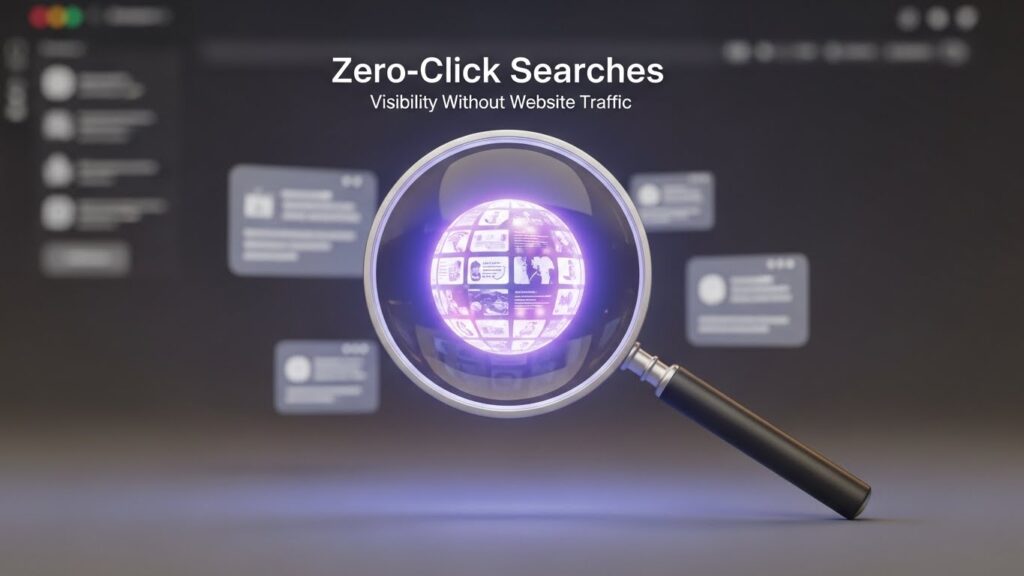
As we explore the world of SEO for architects, we’re facing a new reality defined by the rise of Zero-Click Searches: many searches now end without a single click to any website. Without visibility on search engines, even your best architectural work stays hidden from potential clients.
In fact, finding the right SEO agency for architects has become more critical than ever due to this shift in search behavior. Many architecture firms make the mistake of hiring generalist SEO agencies that lack specialized knowledge of the architecture industry. However, the goal isn’t just about ranking high on search results it’s about resonance, ensuring that when someone finds you in search results, they instantly understand your value, even without visiting your website.
In this guide, we’ll explore zero-click searches and how architects can optimize their online presence to capture visibility and convey value directly from the search results page. Whether you’re struggling with visibility or simply want to stay ahead of changing search trends, understanding this phenomenon is essential for your firm’s digital success.

What Are Zero-Click Searches and Why They Matter
Zero-click searches have fundamentally changed the digital landscape for businesses seeking visibility. Unlike traditional searches that drive traffic to websites, these increasingly common interactions are reshaping how potential clients discover services online.
Definition and examples of zero-click searches
Zero-click searches occur when users receive answers directly on search engine results pages (SERPs) without clicking through to any website. Instead, search engines extract and display the requested information immediately. Nearly 60% of Google searches on mobile now end without a click, representing a massive shift in how information is consumed.
Common examples include:
- Checking weather forecasts
- Finding simple facts or dates
- Calculating mathematical formulas
- Determining time differences between locations
- Looking up the age of a celebrity
These answers appear through various SERP features such as AI Overviews, featured snippets, knowledge panels, People Also Ask boxes, and local map packs.
How search behavior is changing
The way people search has evolved dramatically. According to SparkToro’s research, 58.5% of American searches and 59.7% of European searches don’t result in clicks. This represents a significant increase from previous years, as zero-click searches grew from 54.11% in 2017 to 62.41% in 2021.
Moreover, Bain’s research indicates that approximately 80% of consumers now rely on zero-click results for at least 40% of their searches. This transformation reflects several key trends:
- User journeys have compressed from “search → click → scan → find answer” to simply “search → get answer”
- Mobile-first design has increased demand for instant information
- Voice assistants like Siri and Alexa deliver answers without requiring screen interaction
- Generative AI tools are being consulted throughout the purchase process
Impact on traditional SEO strategies
For architecture firms and other businesses, this shift creates significant challenges. Although your site might rank well, traditional SEO metrics like click-through rates no longer tell the complete story.
The consequences include:
First, reduced website traffic as users find information directly on search results. Second, increased necessity to appear in SERP features rather than just standard organic listings. Third, focus shifting toward impressions and brand visibility rather than solely click-based metrics.
Consequently, selecting the right SEO agency for architects has become even more crucial, as optimization now requires understanding these new dynamics. Traditional approaches focused solely on driving clicks may miss the broader opportunity to establish visibility in this zero-click environment.
Types of Zero-Click Features You Can Appear In
Google displays several SERP features that provide answers without requiring clicks. Understanding these features is essential for architects looking to maximize visibility, especially when working with an SEO agency for architects.
Featured snippets
Featured snippets appear at the top of organic search results, displaying content extracted directly from web pages to answer user queries. They typically show up for “what is” or “how to” questions related to architectural concepts. These snippets take several forms including paragraphs, ordered and unordered lists, tables, and videos. Optimizing for featured snippets requires concise, authoritative content structured in a scannable format ideally between 40-60 words.
Knowledge panels
Knowledge panels display information boxes on the right side of desktop search results (or at the top on mobile) when users search for specific entities. For architecture firms, they serve as digital business cards, showing key details about your practice. These panels pull information from various sources including Wikipedia, Google’s Knowledge Graph, and verified business profiles. Getting a knowledge panel significantly boosts visibility as it creates “an automatic, permanent #1 ranking in the SERPs” that isn’t affected by typical ranking fluctuations.
People Also Ask boxes
People Also Ask (PAA) boxes feature expandable questions related to the original search query. Each answer sources information from specific webpages, with additional related questions appearing upon interaction. This feature now appears in an impressive 51.85% of all searches, creating multiple visibility opportunities. Furthermore, 63% of PAA interactions happen on mobile devices, making them particularly valuable for reaching on-the-go prospects.
Local packs and map results
Local packs display map-based results with the top three businesses matching location-based queries. They include critical information like business hours, addresses, reviews, and contact details all visible without clicking through to websites. For architecture firms serving specific geographic areas, appearing in local packs drives both digital visibility and physical visits.
Instant answers and calculators
Instant answers provide immediate responses for straightforward queries like calculations, conversions, and simple facts. These tools solve equations, create graphs, and calculate geometry problems directly in search results. For architects, optimizing content around common industry calculations can capture visibility in these spaces.

How to Optimize for Zero-Click Visibility
Winning visibility without clicks requires strategic optimization techniques that many architecture firms overlook. Implementing these approaches helps your content appear in various SERP features, building brand awareness even without website visits.
Use structured data and schema markup
Structured data tells search engines exactly what your content means, not just what it says. Schema markup creates a roadmap for search engines to understand and display your content in rich results. Over 72% of sites on Google’s first page use schema, yet only 50% of brands implement it. Adding schema markup can increase click-through rates by 25-82% compared to listings without it.
Key schema types for architects include:
- FAQPage schema for question-answer content
- HowTo schema for step-by-step guides
- LocalBusiness schema for practice information
- Review schema to display client ratings
Target question-based keywords
Question-based searches represent approximately 8% of all search queries. These questions commonly begin with “who,” “what,” “where,” “when,” “why,” and “how.” Tools like AnswerThePublic can help identify popular question formats.
For effective optimization:
- Lead with direct answers (within first 40-60 words)
- Structure headings as questions
- Create dedicated FAQ sections
- Harvest questions from client interactions
Create concise, scannable content
Modern zero-click content must be structured for immediate comprehension. Format your content with:
- Short, impactful paragraphs (40-60 words)
- Clear headings that match query phrasing
- Bullet points for step-by-step information
- Definitional style writing that begins with “X is…”
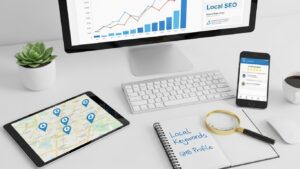
Optimize for Google My Business and local SEO
Your Google Business Profile significantly impacts local search visibility it’s statistically the most influential factor for local rankings. The most important elements are business name, categories, website connection, and customer reviews.
To maximize local visibility:
- Complete all business details (address, hours, services)
- Maintain NAP consistency across platforms
- Respond to reviews promptly
- Add attributes about accessibility, payment options, etc.
Leverage image and video SEO
Rich media increasingly appears directly in search results. Create compelling visual assets with proper optimization:
- Use descriptive file names and alt text
- Design engaging thumbnails for video content
- Create infographics that answer common questions
- Add structured data to images for better context
Partnering with an SEO agency for architects ensures these technical implementations align with your firm’s specific visibility needs.
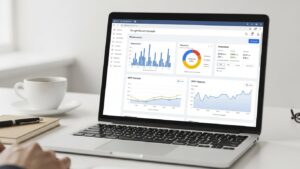
Measuring Success Without Clicks
In the zero-click era, success requires looking beyond traditional traffic metrics. As architecture firms adapt, new measurement approaches become essential for understanding true digital impact.
Tracking impressions and SERP features in Google Search Console
Initially, focus on impression data in Google Search Console, which shows how often your content appears in search results regardless of clicks. This free tool provides insights into queries driving visibility, page-specific impression data, and performance trends over time. An impression occurs whenever your URL appears on a search results page, even without user interaction.
Monitoring brand mentions and visibility
Additionally, track brand mentions across various platforms to measure awareness and reputation. This visibility metric reveals how frequently your architecture firm appears in online conversations. Consider setting up Google Alerts for basic monitoring or invest in dedicated social listening tools to track sentiment and reach.
Using tools like Ahrefs and SEMrush for SERP analysis
Specialized tools provide deeper insights into SERP features. SEMrush’s Position Tracking shows which features your site occupies over time, while Ahrefs identifies which domains dominate specific features for your target keywords.
Evaluating engagement through indirect metrics
Finally, examine metrics like:
- Conversion rates by source
- Revenue per visitor rather than just traffic volume
- Citation frequency in AI responses
- Brand mention analysis across platforms
This shift from volume to value metrics helps architecture firms demonstrate real business impact despite declining click metrics.
Conclusion
Zero-click searches represent both a challenge and opportunity for architecture firms seeking digital visibility. Although the traditional SEO metrics focused on website traffic might seem less relevant, this shift actually creates new avenues for connecting with potential clients.
Search visibility now matters more than clicks. Therefore, architecture firms must adapt their strategies accordingly. Rather than simply driving traffic, successful firms now focus on creating immediate value directly on search results pages through optimized content.
The future of architectural marketing undoubtedly includes these zero-click interactions. After all, appearing in featured snippets, knowledge panels, and local packs provides valuable brand exposure even without website visits. This exposure builds credibility and recognition that eventually translates to client relationships.
Most importantly, the right strategy allows your firm to stand out amid this changing landscape. While other architecture businesses struggle to understand why their traffic decreases despite good rankings, your practice can thrive by embracing these new search patterns.
We recommend working with SEO specialists who understand the architectural industry specifically. These experts can help implement the technical aspects of zero-click optimization while maintaining your firm’s unique voice and positioning.
The metrics that matter have certainly evolved. Subsequently, your measurement approach must evolve too focusing on impressions, SERP feature capture, and brand visibility rather than clicks alone. Though this requires adjustment, the potential rewards make the effort worthwhile.
Remember that zero-click searches represent searchers finding immediate answers. Your goal should be ensuring your architecture firm provides those answers whenever possible, positioning your brand as the authority worthy of further engagement when projects arise.
Frequently Asked Questions (FAQs)
1. What exactly is a zero-click search and how common are they now?
A zero-click search occurs when users get their answer directly on the search results page without clicking through to any website. Instead of navigating to a site, Google extracts and displays the information immediately through features like AI Overviews, featured snippets, knowledge panels, or local map packs. The prevalence is staggering nearly 60% of Google searches on mobile now end without a click, and according to SparkToro’s research, 58.5% of American searches and 59.7% of European searches result in zero clicks. This represents a dramatic increase from 54.11% in 2017 to 62.41% in 2021. Additionally, Bain’s research shows that approximately 80% of consumers rely on zero-click results for at least 40% of their searches, fundamentally changing how people consume information online.
2. If people aren’t clicking to my website, how does zero-click visibility actually help my business?
Zero-click visibility builds brand awareness and establishes authority even without website visits. When your content appears in featured snippets, knowledge panels, or People Also Ask boxes, you’re positioning your brand as the authoritative source for that information. This creates top-of-mind awareness so when users are ready to take action, they remember your brand. Think of it as billboard advertising most people who see a billboard don’t immediately visit that business, but the repeated visibility builds recognition and trust. Furthermore, appearing in SERP features creates an “automatic, permanent ranking” that isn’t affected by typical fluctuations. The exposure eventually translates into client relationships because you’ve established credibility through consistent visibility in search results, making users more likely to seek you out when they need your services.
3. What’s the difference between featured snippets and knowledge panels?
Featured snippets appear at the top of organic search results as extracted content that directly answers a user’s query, typically for “what is” or “how to” questions. They usually contain 40-60 words and can appear as paragraphs, lists, tables, or videos. Featured snippets are earned through content optimization and can change frequently based on what Google determines best answers the query. Knowledge panels, conversely, appear on the right side of desktop results (or at top on mobile) and function like digital business cards for specific entities businesses, people, or organizations. They pull information from sources like Wikipedia, Google’s Knowledge Graph, and verified business profiles. Knowledge panels are more permanent fixtures that display comprehensive information about an entity rather than answering a specific question, and they remain consistent across many different searches related to that entity.
4. How can I optimize my content to appear in featured snippets?
Featured snippet optimization requires strategic content structuring. First, identify question-based keywords in your industry using tools like AnswerThePublic to find what people are actually asking. Structure your content with headings formatted as questions, then provide concise, direct answers within the first 40-60 words of that section. Use definitional writing that begins with “X is…” for concept explanations. Format information in scannable ways using bullet points for lists, numbered lists for steps, and tables for comparisons Google often pulls these formats directly. Implement FAQPage schema markup to explicitly tell search engines your content answers questions. Keep paragraphs short and impactful, and ensure your content is authoritative with proper citations and expertise signals. Remember that over 72% of sites on Google’s first page use schema markup, so implementing structured data is essential for competitive visibility.
5. Should I still care about traditional SEO metrics like click-through rates and website traffic?
Yes, but they’re no longer the complete picture. Traditional metrics still matter for conversion-focused pages and transactional queries where users must visit your site to complete an action. However, focusing solely on click metrics means you’re missing the broader opportunity of brand visibility and authority building. The shift requires expanding your measurement framework to include impressions (how often you appear in search results), SERP feature capture (which features you occupy), brand mention frequency, and visibility trends over time. Instead of just tracking traffic volume, evaluate revenue per visitor, conversion rates by source, and how often your brand gets cited as an authority. Think of it as evolution rather than replacement traditional metrics remain important for bottom-funnel conversions, but upper-funnel awareness now happens increasingly through zero-click interactions that build the foundation for future conversions.