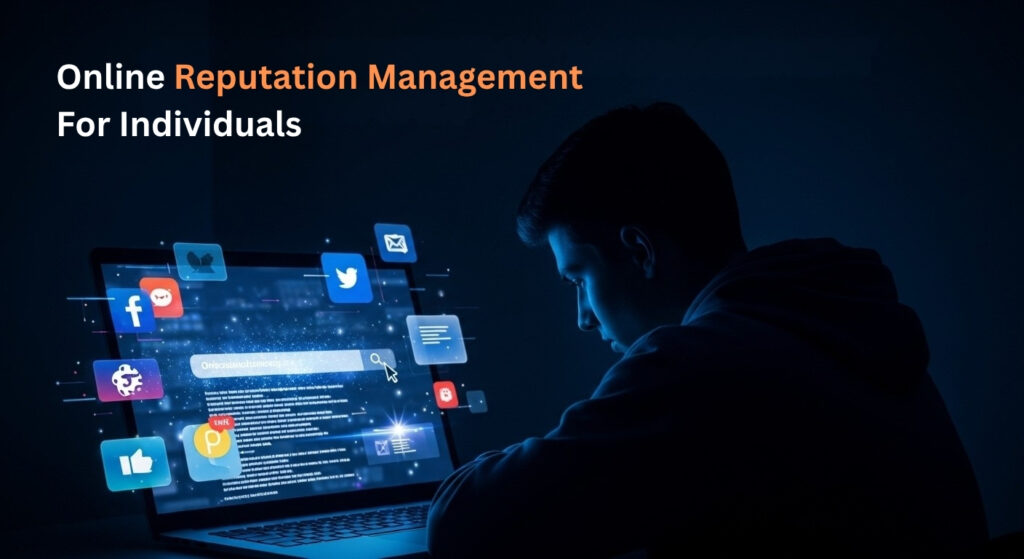
Your online reputation is more than just a reflection of your digital footprint; it’s an essential part of how you’re perceived by others whether it’s potential employers, business partners or even friends and family. In an era where everything from job applications to personal connections happens online, online reputation management for individuals has become crucial to maintaining a positive image.
Every post, comment and piece of content you share has the potential to influence how you’re seen. Whether you realize it or not, your reputation is being shaped by your online presence, and a negative piece of content could have lasting consequences. Fortunately, online reputation management for individuals gives you the tools to take control, manage your narrative, and protect your personal brand.
In this guide, we’ll walk through the key aspects of managing your online reputation that how to assess your current standing, steps you can take to improve it and the online reputation management cost involved if you choose to hire professionals.
Online Reputation Management

Your online presence is an extension of who you are in this digital age. Here, we get to understand the importance of online reputation management for individuals, how it impacts various aspects of your life, and why it’s essential to take charge of your digital image.
What is Online Reputation Management?
Online reputation management for individuals refers to the process of monitoring, influencing, and improving the way you are perceived online. It involves managing what others see when they search for you or your name, ensuring that the content and information available on the internet reflect positively on you.
Reputation management isn’t about creating a fake persona, it’s about curating and maintaining an authentic and trustworthy image. Whether you’re a professional looking to advance your career, or an individual trying to manage personal relationships, online reputation management helps ensure that the digital world portrays you accurately and favorably.
Why Does ORM Matter for Individuals?
ORM is crucial because your online reputation can significantly impact various aspects of your life. Employers, potential business partners, and even acquaintances will likely search for your name online before interacting with you. Studies have shown that 70% of hiring managers admit to reviewing a candidate’s online presence before making a hiring decision. A single negative review or social media post could be detrimental, while a well-managed reputation opens doors to more opportunities.
Your online reputation is an ongoing project and actively managing it ensures that your digital image aligns with your real-life identity. Taking control of your narrative and presenting an authentic image can help you create opportunities, build trust and protect your personal and professional relationships.
Key Elements of Online Reputation
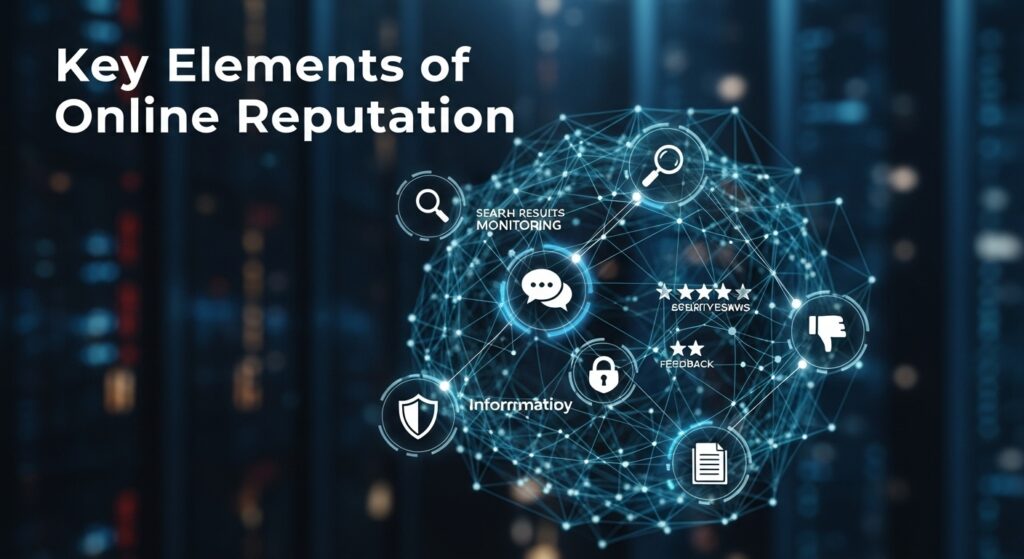
Your online reputation is shaped by several key elements. To manage it effectively, it’s important to understand what these are.
Search Engine Results
When someone searches for your name, search engine results provide an instant snapshot of your online reputation. Whether it’s your social media profiles, blog posts, or media coverage, these results will shape how you’re perceived. If negative content, such as a bad review or an outdated post, appears, it can linger in search results for a long time, impacting how others view you.
For individuals, managing search engine results is one of the most powerful aspects of online reputation management for individuals. Here’s why it’s crucial:
- Google and SEO: Google is the most widely used search engine, so it’s vital to ensure that the first few pages of search results present you in a positive light. Optimizing content related to your name or personal brand with SEO techniques can push negative content lower in search results.
- Content Creation: Creating high-quality, relevant, and authoritative content about yourself such as blog posts, case studies, interviews, and thought leadership pieces will help improve the visibility of positive content. This is especially important for professionals looking to build credibility in their field.
The Future: As search technologies evolve, voice search (via Alexa, Google Assistant, Siri) and AI-driven search engines will change how people look up information about you. Optimizing your content for voice search, which tends to favor more conversational keywords, will become increasingly important for reputation management.
Social Media Profiles
Social media has become a powerful tool in shaping our personal brands. Whether it’s Facebook, LinkedIn, Instagram, or Twitter, your social media profiles are often the first impression others get of you. These platforms allow you to present your values, interests, and personality to a global audience. However, they also come with risks, especially if inappropriate or controversial content is shared.
Key considerations for individuals when it comes to social media:
- Profile Curation: It’s crucial to curate your profiles to reflect the version of yourself you want to present. For example, LinkedIn is where you’ll want to showcase your professional achievements and expertise, while platforms like Instagram or Twitter can reflect your personal interests, hobbies, and opinions.
- Content Sharing: The content you share photos, status updates, and even comments, can leave a lasting impression. Ensure that the posts you make align with your values and professional goals. Avoid sharing anything that could damage your reputation in the future.
- Interactivity and Engagement: How you interact with others on social media is just as important. Responding to comments, participating in discussions, and maintaining a respectful tone will enhance your reputation. Avoid engaging in online arguments or sharing controversial opinions unless they align with your personal brand.
The Future: The future of social media involves greater transparency and authenticity. Platforms like TikTok, which prioritize raw, unfiltered content, are setting new trends. Augmented Reality (AR) and Virtual Reality (VR) will allow individuals to present their online persona in more immersive ways, offering new opportunities and challenges for reputation management. AI-driven content could also allow for automatic content filtering, but it’s still important to monitor your interactions actively.
Online Reviews & Mentions
Online reviews and mentions in blogs, forums, and news articles play a critical role in shaping your online reputation. Whether it’s a review on Google My Business or a mention of you in an online article, these external opinions can have a significant impact on how others perceive you.
- User Reviews: Reviews on platforms like Google, Yelp, and even Trustpilot are extremely influential. While businesses and services might attract customer reviews, individuals especially professionals and freelancers can be impacted by the reviews left on LinkedIn or personal websites. Positive reviews build credibility, but negative reviews can harm your reputation if left unaddressed.
- Mentions in Blogs and Articles: Mentions in online articles, forums, or blogs (whether positive or negative) can also impact your reputation. A feature in a reputable publication can help elevate your profile, while a negative article or blog post can damage your image. Regularly monitoring your mentions can help you take action before small issues snowball into larger problems.
For individuals, the best practices include:
- Encouraging Positive Reviews: Ask satisfied colleagues, clients, or employers to leave positive feedback or reviews about your work, skills, and character.
- Responding to Negative Reviews: When dealing with negative reviews or mentions, always remain professional. Respond calmly and address the concerns raised. By showing that you are open to feedback and committed to resolving issues, you can turn a negative situation into an opportunity to showcase your professionalism.
The Future: As blockchain technology continues to rise, reviews could become more decentralized and secure, with users able to leave verified, unalterable feedback. AI-driven review systems will also play a role in sorting and displaying more relevant and authentic reviews, ensuring that negative fake reviews become easier to identify and remove.
Professional Websites and Personal Blogs
A professional website or blog is another key element in online reputation management. Having a website where you control the content gives you the power to shape how you’re viewed. This is especially important for individuals in creative industries, consultants, or those with personal brands.
- Personal Websites: A personal website or blog is where you can showcase your expertise, accomplishments, and career achievements. It’s an opportunity to present yourself in the best light and provide a portfolio of your work. SEO-optimizing your website for your name will help it show up in search engine results, ensuring that positive content about you appears.
- Blogging: Writing blog posts or articles on your personal site helps position you as an authority in your field. It allows you to share your insights, thoughts, and expertise, building your reputation as a knowledgeable and credible individual.
The Future: Personal websites will increasingly integrate interactive features like live chats, AI-driven personal assistants, and customized user experiences. These tools can enhance engagement with your audience while contributing to your reputation as a forward-thinking professional.
Online Communities and Forums
Participating in online communities and forums can also impact your online reputation. Whether it’s answering questions on Quora, engaging in discussions on Reddit, or participating in industry-specific forums, your interactions can significantly shape how others perceive you.
- Contributions: Being an active and helpful participant in relevant forums and communities positions you as a knowledgeable and credible individual in your field. The more value you provide, the more positive your reputation will become within these communities.
- Moderation and Participation: If you engage in heated discussions or share negative content, it could lead to a tarnished reputation. Keeping a balanced and respectful tone, especially when discussing sensitive topics, is essential for maintaining a positive online persona.
The Future: AI moderation tools will continue to evolve, helping users manage their interactions in online forums. Automated tools may help prevent offensive content from being shared, but it will still be crucial for individuals to be mindful of their tone and contributions.
Multimedia Content (Videos, Podcasts, & Interviews)
In today’s world, video content, podcasts, and interviews are becoming increasingly important in building a personal brand. Whether it’s posting a video on YouTube, a podcast on Spotify, or participating in an interview, multimedia content helps humanize your brand and connect with audiences on a deeper level.
- YouTube and Podcasts: Platforms like YouTube or personal podcasts allow you to showcase your personality, values, and expertise in a way that written content cannot. A well-crafted video or podcast can enhance your reputation and allow you to connect with your audience in a more personal way.
- Interviews: Being interviewed or featured on podcasts, TV, or even industry webinars can build credibility and boost your reputation. These forms of exposure position you as an authority in your field, especially if the platform or publication is reputable.
The Future: With the growing use of virtual reality and augmented reality, individuals may soon engage with audiences in fully immersive ways, presenting a whole new world of reputation management possibilities.
How Negative Online Reputation Occurs?
Understanding how negative online reputations are created is important in order to prevent or address them effectively.
Unwanted Reviews
Online reviews can have a lasting impact on your reputation. A negative review, whether justified or not, can influence the way others view you. If you are running a business or offering a service, negative reviews can deter potential customers or clients.
For individuals, dealing with negative reviews tactfully is crucial. Responding professionally to criticism and working to resolve the issue can help turn a negative situation into a positive one.
Negative Social Media Posts
One of the most common ways negative content appears online is through social media. An ill-advised post, an angry comment, or a controversial photo can leave a lasting mark on your reputation. Even if you delete the post, it might already be shared, saved, or captured in a screenshot.
To avoid this, it’s essential to maintain a professional and respectful tone online, especially on public platforms. Review your social media profiles periodically and remove any content that might be damaging.
Defamation and False Information
In some cases, your online reputation can be damaged by false information or defamation. This can happen when someone spreads lies or malicious rumors about you. If this happens, it’s important to address the issue promptly, whether through legal action, public clarification, or contacting the platform administrators.
Outdated Content
Old posts or content that no longer aligns with your current persona can also negatively impact your reputation. Whether it’s a post you wrote years ago or an old image that no longer reflects your professional image, outdated content can resurface and create problems. Regularly review your online profiles and remove or update any outdated content.
By understanding the common causes of a negative online reputation, you can take proactive measures to avoid them. It’s important to stay vigilant, address negative content quickly and continuously curate your digital presence to ensure your online reputation remains intact. Taking responsibility for your online persona and addressing issues with professionalism and grace is key to maintaining a positive digital identity.
Steps to Manage and Improve Your Online Reputation

Managing your online reputation is an ongoing process. Here are some key steps to improve and maintain it:
Clean Up Your Social Media
Start by going through your social media profiles and removing any content that could be seen as inappropriate, controversial, or unprofessional. Make sure your profiles reflect the image you want to project, both personally and professionally.
Build Positive Content
Create content that highlights your skills, values, and expertise. Share articles, blog posts, or videos that reflect your personal brand. This will help push negative content down in search results and give you control over your narrative.
Encourage Positive Reviews
If you run a business or offer a service, encourage satisfied customers or clients to leave positive reviews. This will help balance any negative reviews and improve your reputation.
Respond to Negative Content
If negative content appears online, respond to it professionally and calmly. Address the concerns raised, and work to resolve the issue if possible. A professional, measured response can show that you are capable of handling criticism and may turn the situation around.
Regular Monitoring
Set up tools like Google Alerts to monitor your name and any other relevant keywords. Regularly check your online presence to ensure there’s no new negative content and that positive content is being created consistently.
Use Tools to Manage and Update Your Online Presence
Utilize reputation management tools to streamline the process of managing your online reputation. Tools like Google Alerts, Hootsuite, and Buffer allow you to monitor your online presence and maintain consistency across platforms. Regularly updating your content, engaging with your audience, and responding to reviews in real-time through these tools can help you stay on top of your online image. Additionally, professional ORM services can assist in managing your reputation when the process becomes overwhelming.
By following these steps and utilizing the right tools, you can effectively manage and protect your online reputation. Regular monitoring, content creation, and professional interactions will help you stay ahead of any negative content and ensure that your digital image remains strong, authentic, and consistent.
Future of Online Reputation Management
The future of online reputation management for individuals will be heavily influenced by artificial intelligence (AI) and machine learning. AI-powered tools are becoming increasingly sophisticated in detecting online content, evaluating sentiment, and monitoring mentions in real-time. These tools can help individuals track their reputation more efficiently and respond faster to any negative content.
AI is also playing a crucial role in detecting misinformation. With the rise of fake news, automated systems can now help identify and flag false information before it spreads.
Shifting Social Media Trends
As social media platforms evolve, so too does the way online reputations are shaped. Changing algorithms can influence what content is seen by your audience, and adapting to these changes is essential for ORM. For instance, platforms like Instagram and Facebook are increasingly prioritizing visual content, while LinkedIn focuses on professional and educational content.
Emerging Platforms and Their Role in ORM
New platforms like TikTok, Clubhouse, and others are rapidly gaining traction. While these platforms offer new opportunities to build your online reputation, they also present new challenges. It’s important for individuals to stay ahead of the curve and understand how these platforms can influence their online image.
Final Thoughts
Managing your online reputation is crucial for individuals in today’s digital world. By following the steps outlined in this guide, you can effectively manage and improve your online image. Whether it’s through cleaning up your social media profiles, creating positive content, or addressing negative reviews, the key to success lies in consistent, thoughtful action.
Online reputation management for individuals isn’t a one-time task but an ongoing effort. It’s not just about responding to negative feedback but proactively building and maintaining a positive online persona. And while online reputation management cost can vary depending on the tools or services you choose, the investment in your reputation is invaluable. At RankZol, we believe that a good reputation can open doors to new opportunities and help you maintain your credibility in a competitive world.
Start managing your online reputation today with RankZol, and take control of the narrative that shapes your future.
FAQ’s
What is online reputation management for individuals?
Online reputation management for individuals refers to the process of monitoring, influencing, and improving how you are perceived online. This includes managing the content available about you on search engines, social media, review sites, and other platforms to ensure a positive image and protect your personal brand.
Why is online reputation management important for individuals?
Online reputation management is crucial because your digital footprint can significantly impact both your personal and professional life. Potential employers, business partners, and even friends often research your online presence before forming an opinion. A positive reputation can open new doors, while a negative one can lead to lost opportunities.
How can I assess my current online reputation?
To assess your online reputation, start by “Googling” your name to see what appears in search results. Check your social media profiles, online mentions, and reviews. Tools like Google Alerts can help you monitor mentions of your name and provide real-time updates about what is being said about you online.
What steps can I take to improve my online reputation?
To improve your online reputation, begin by cleaning up your social media profiles, creating positive content that highlights your skills and values, and encouraging positive reviews from clients or colleagues. Responding professionally to negative content and regularly monitoring your online presence is also important.
How do online reviews impact my reputation?
Online reviews play a significant role in shaping your reputation. Positive reviews build trust and credibility, while negative reviews can tarnish your image. It’s important to encourage satisfied clients or colleagues to leave reviews and address negative feedback promptly and professionally.
How does social media affect my online reputation?
Social media has a direct impact on your reputation, as it’s often the first place people look when forming an opinion about you. Curating your profiles to reflect your personal and professional image, sharing appropriate content, and engaging respectfully with others can strengthen your online presence.
How can I manage outdated content online?
Outdated content, such as old posts or images that no longer reflect your current persona, can negatively impact your reputation. Regularly review your online profiles, and update or remove content that no longer aligns with your image. Tools like Google Alerts can help you stay on top of old content that might resurface.
What role does SEO play in managing online reputation?
SEO (Search Engine Optimization) plays a crucial role in reputation management by improving the visibility of positive content about you on search engines. Optimizing content related to your name or personal brand can push down negative results in search rankings, giving you more control over your reputation.
What are the costs involved in online reputation management?
The online reputation management cost can vary based on the tools, services, and level of support you choose. DIY tools like Google Alerts are free, while professional ORM services may charge depending on the scope of work. It’s essential to evaluate the services provided and ensure that the investment aligns with your needs.
How can RankZol help with online reputation management?
RankZol offers comprehensive online reputation management services tailored to individuals. Whether you’re looking to improve your search engine results, manage your social media presence, or handle negative reviews, we provide the tools and expertise to protect and enhance your personal brand.